
When people think about fire protection, they often picture fire sprinklers going off all at once in a Hollywood movie. In reality, modern fire protection systems are incredibly sophisticated—and many of the things people believe about them simply aren't true.
Here are 10 fun facts that might change the way you look at the fire protection systems protecting your building every day.
1. Fire Sprinklers Don't All Activate at Once
This is probably the biggest myth of them all.
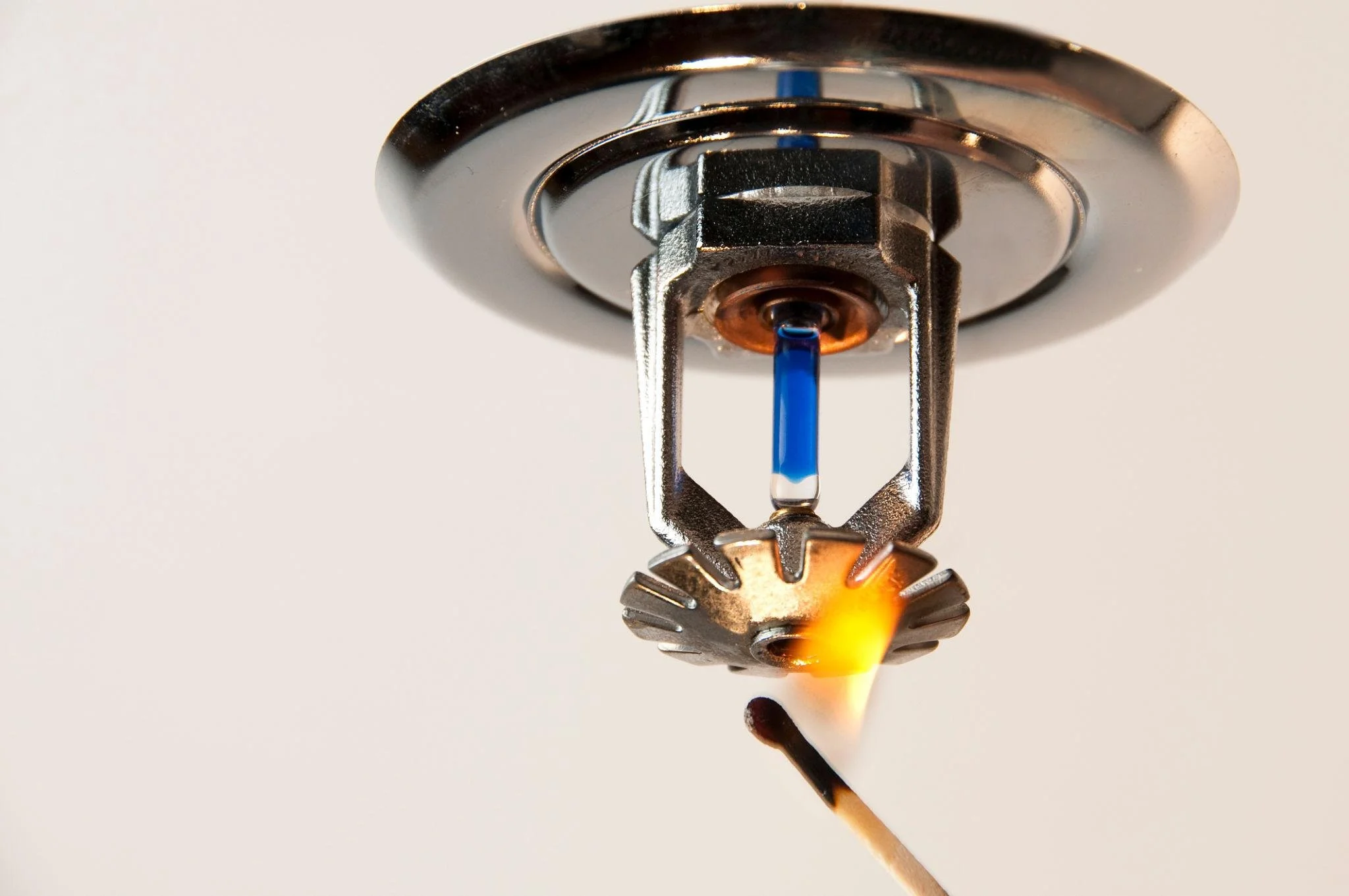
In most fires, only the sprinkler head exposed to enough heat activates. The rest remain closed until they're needed, helping control the fire while minimizing water damage.
2. Smoke Doesn't Activate Fire Sprinklers
Many people think smoke triggers sprinkler systems.
Sprinklers actually activate when the surrounding air reaches a specific temperature—typically around 155°F. Smoke detectors and fire alarms are separate systems designed to provide early warning.
3. Fire Sprinklers Have Been Around for More Than 150 Years
Automatic fire sprinkler technology dates back to the 1800s. While today's systems are far more advanced, the basic idea of controlling a fire quickly with water has stood the test of time.
4. Dust Can Be a Problem
Dust, paint, grease, and debris can affect sprinkler heads over time. That's one reason regular inspections are so important.
5. A Tiny Sprinkler Head Protects a Big Area
One sprinkler head can protect hundreds of square feet depending on the building, occupancy, and system design.
6. Fire Extinguishers Expire
Many people assume a fire extinguisher lasts forever.
Like other safety equipment, extinguishers require regular inspections, maintenance, and eventually replacement.
7. Your Building Is Constantly Monitoring Itself
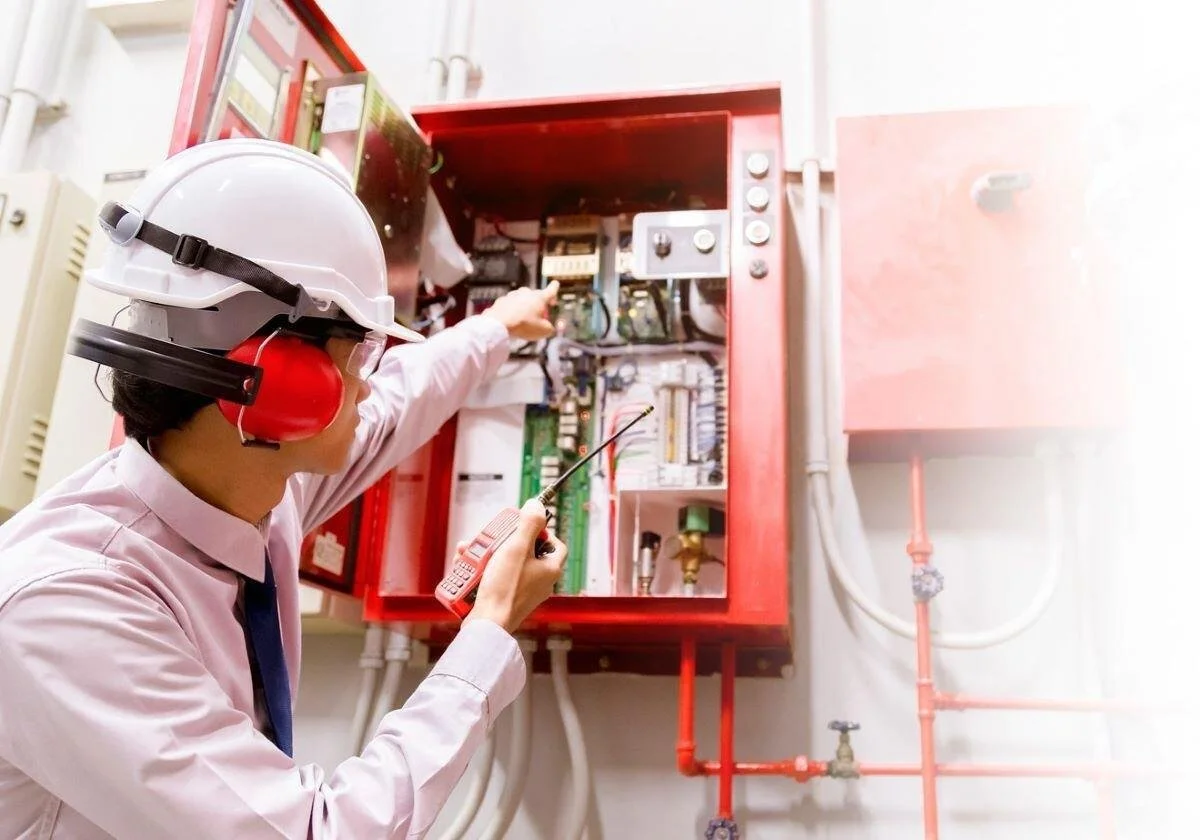
Many commercial fire alarm systems continuously monitor wiring, batteries, and communication devices. If something isn't working properly, the system can often identify the issue before an emergency occurs.
8. Renovations Can Affect Fire Protection
Adding walls, changing ceilings, or installing new equipment may require modifications to your fire sprinkler system—even if the renovation seems minor.
9. Fire Protection Is More Than Just Sprinklers
A complete life safety system often includes:
Fire sprinklers
Fire alarms
Fire extinguishers
Backflow prevention
Emergency communication systems
Special hazard suppression systems
Each component plays an important role in protecting people and property.
10. The Best Fire Protection System Is the One You Never Have to Think About
When your systems are inspected, tested, and maintained regularly, they quietly stand ready to protect your building 24 hours a day, 365 days a year.
That's exactly how they're supposed to work.
Fire protection is full of fascinating technology and common misconceptions. Understanding how these systems work helps building owners, facility managers, and tenants make informed decisions about inspections, maintenance, and safety.
At Delta Fire Protection, we're passionate about helping businesses stay safe, compliant, and prepared. Whether you need inspections, maintenance, repairs, or a complete fire protection solution, our experienced team is here to help.