
Owning or managing a commercial property comes with a long list of responsibilities, and fire safety should always be near the top. While annual inspections and routine maintenance are essential, there are simple things you can check each month that can make a big difference.
The best part? You can complete this fire safety walkthrough in about five minutes.
1. Check That Fire Extinguishers Are Visible
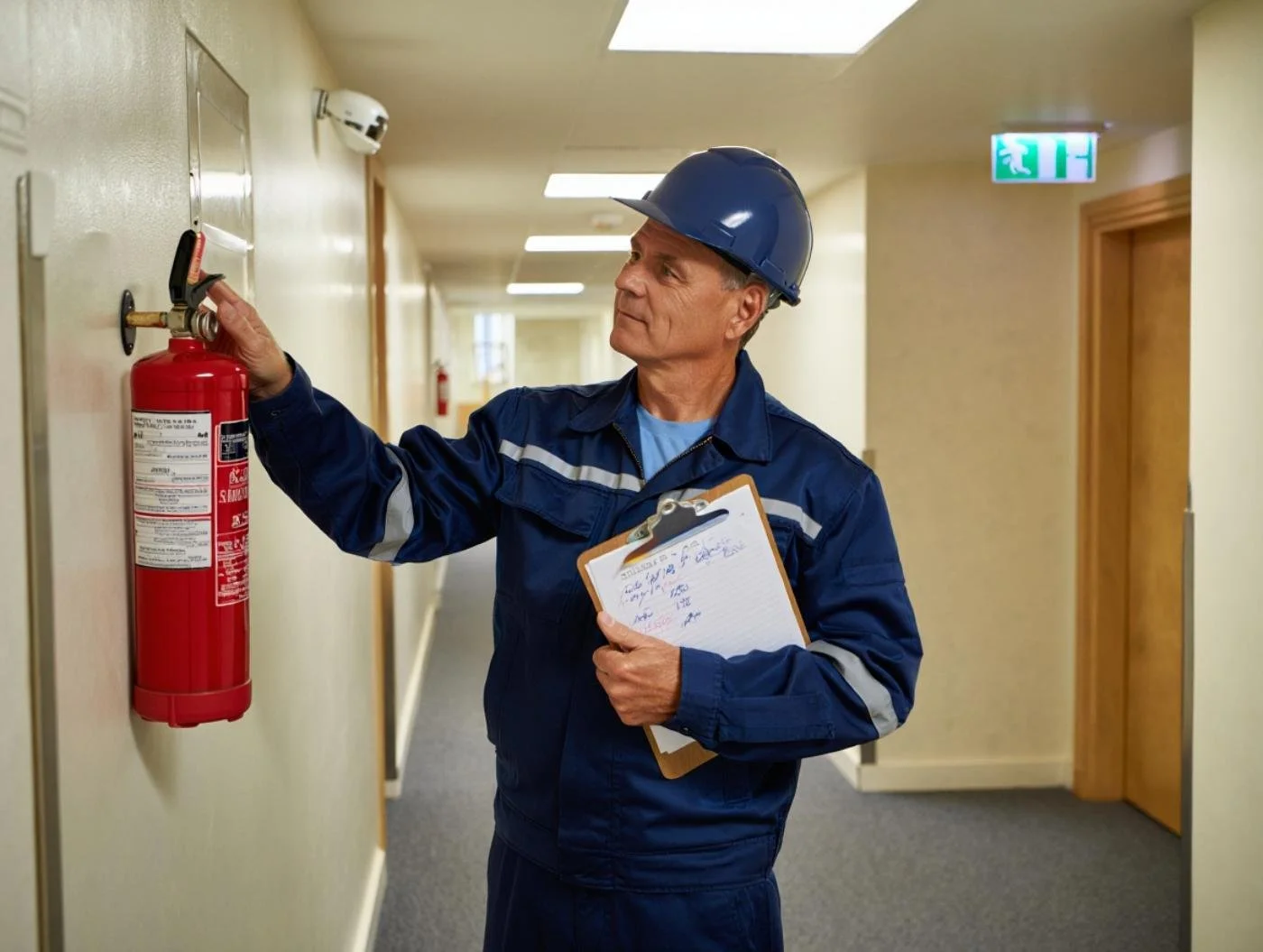
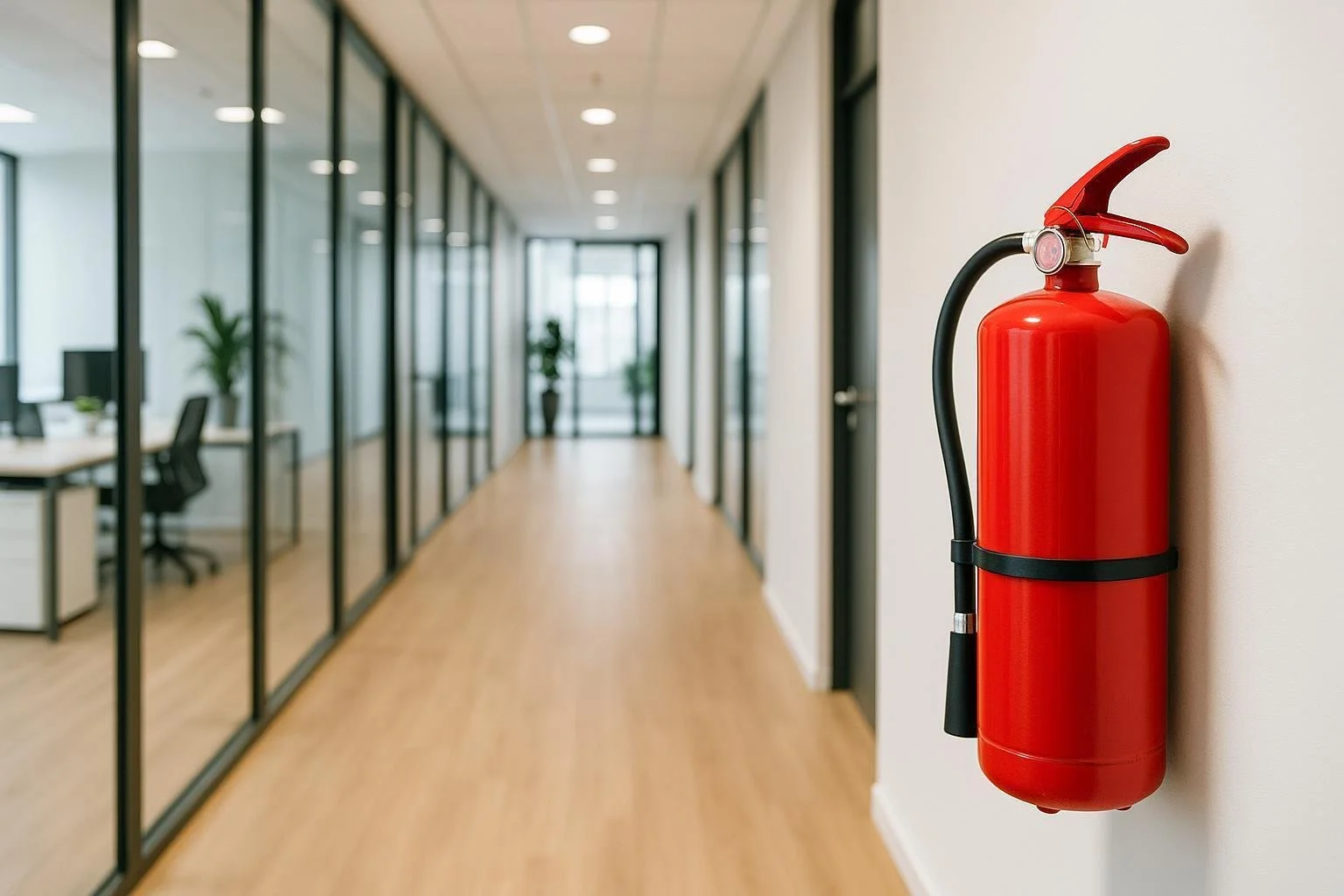
Walk through your building and make sure fire extinguishers are easy to locate.
Ask yourself:
Are they blocked by furniture or storage?
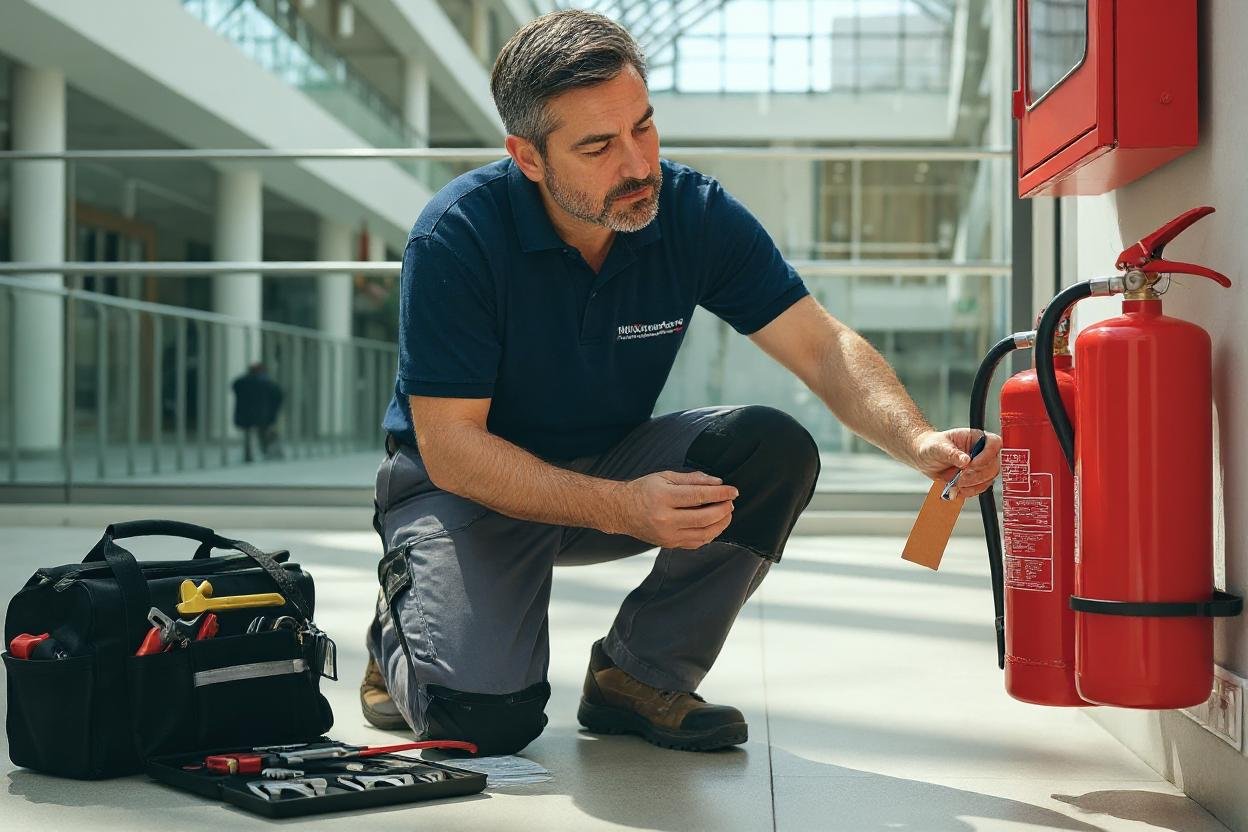
Are they mounted securely?
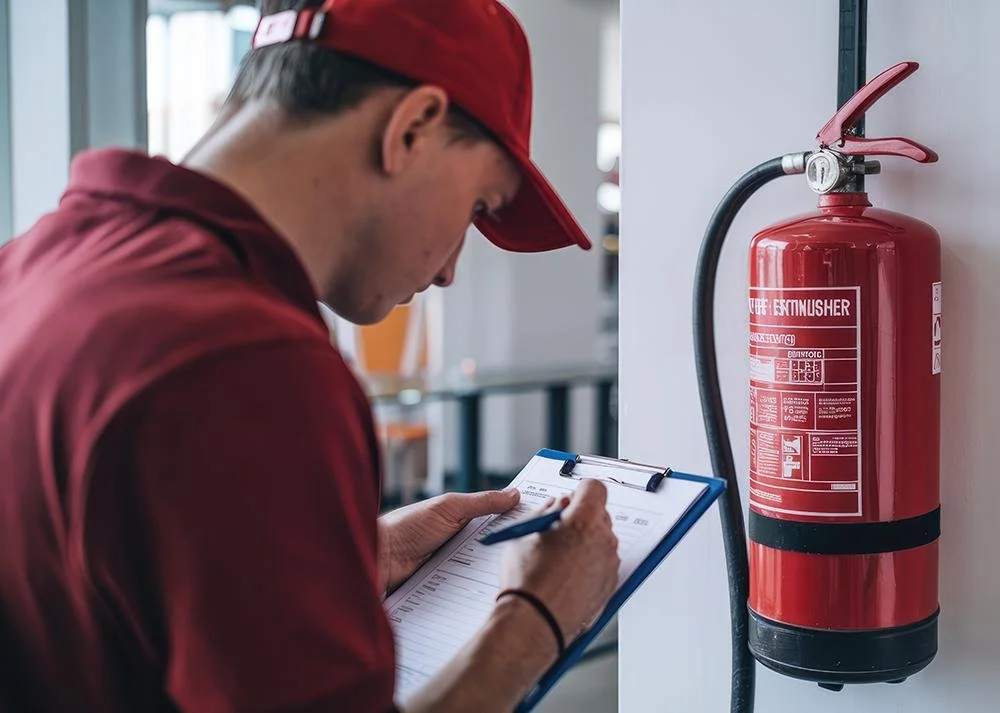
Is the inspection tag up to date?
Is the pressure gauge in the green?
If employees can't quickly find an extinguisher, valuable time could be lost during an emergency.
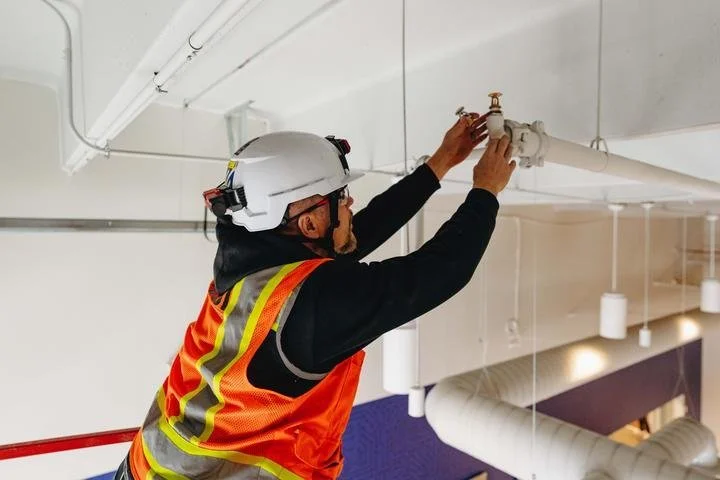
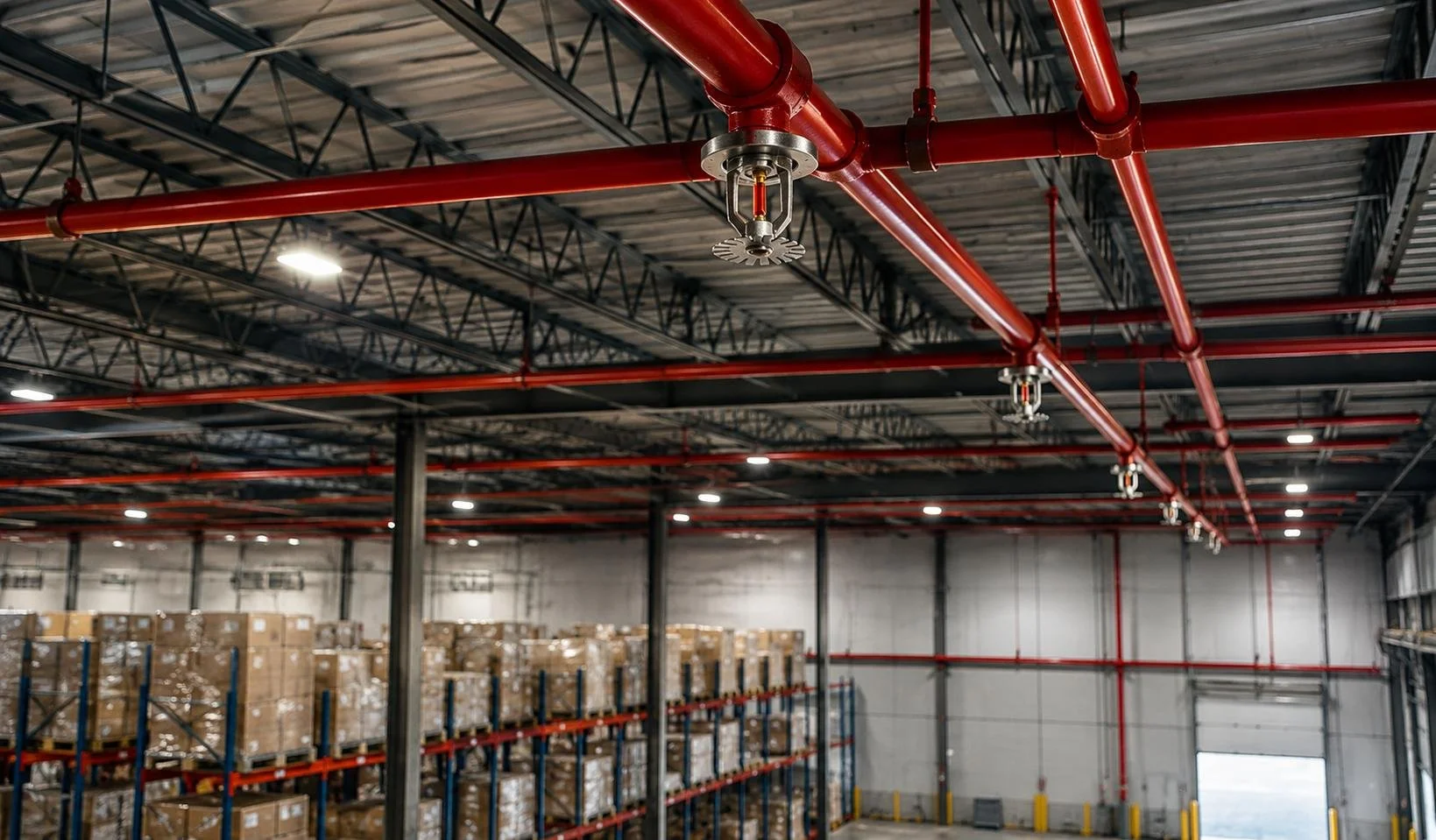
2. Look Up at Your Fire Sprinklers
Take a moment to look toward the ceiling.
Check for:
Boxes or storage stacked too close to sprinkler heads
Damaged or missing sprinkler heads
Items hanging from sprinkler piping
New decorations or signage blocking sprinkler coverage
These are some of the most common issues discovered during commercial inspections.
3. Make Sure Exit Paths Are Clear
Emergency exits should never be used as storage areas.
Walk each exit route and confirm:
Exit doors open freely
Hallways remain clear
Exit signs are illuminated
Emergency lighting appears functional
Safe evacuation depends on clear, accessible exits.
4. Listen for Unusual Alarm Trouble Signals
If your building's fire alarm panel is showing a trouble or supervisory condition, don't ignore it.
Even if the system still appears to be working, these notifications often indicate that maintenance is needed.
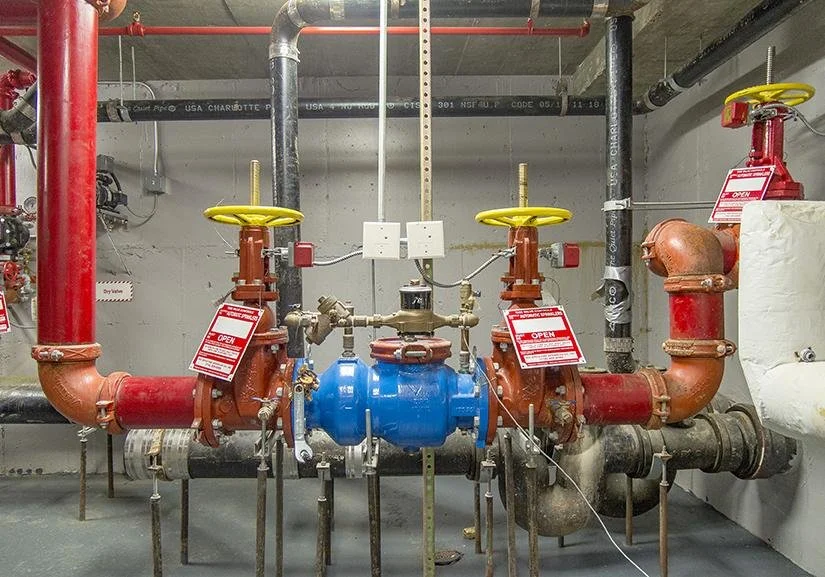
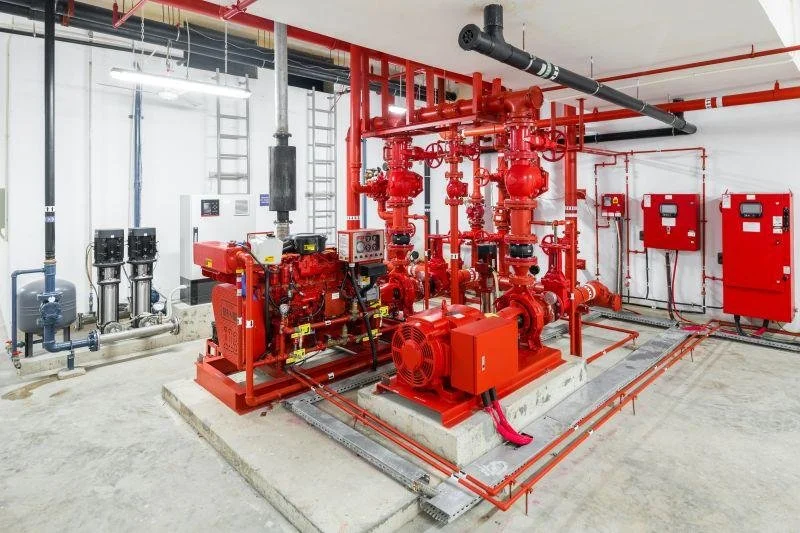
5. Inspect Mechanical Rooms
Mechanical and electrical rooms should remain clean and accessible.
Look for:
Excess storage
Water leaks
Damaged piping
Restricted access to fire protection equipment
Keeping these spaces organized helps technicians perform inspections and reduces potential hazards.
Why These Five Minutes Matter
Most fire protection problems don't appear overnight. They develop gradually over weeks or months.
A quick monthly walkthrough helps identify obvious concerns before they become expensive repairs, code violations, or safety risks.
It also demonstrates a proactive commitment to protecting your building, occupants, and business operations.
Partner With the Experts
While monthly visual checks are helpful, they are not a substitute for professional inspection, testing, and maintenance.
Delta Fire Protection provides comprehensive inspection, testing, maintenance, repairs, and installation services for commercial fire sprinkler systems, fire alarms, extinguishers, and other life safety equipment throughout Southern California.
Our experienced team helps property owners and facility managers keep their buildings safe, compliant, and prepared every day of the year.
FREQUENTLY ASKED QUESTIONS
-
While professional inspections should be completed according to NFPA standards and local fire codes, a quick monthly walkthrough can help identify obvious issues like blocked exits, damaged sprinkler heads, or obstructed fire extinguishers before they become larger problems.
-
Building owners and property managers can perform basic visual checks, but fire sprinkler inspections, testing, and maintenance should always be completed by qualified fire protection professionals to ensure compliance and proper system operation.
-
Some of the most common issues include blocked fire extinguishers, storage placed too close to sprinkler heads, damaged sprinkler components, obstructed exit routes, and fire alarm trouble signals that have gone unresolved.
-
If you notice a damaged sprinkler head, a leaking pipe, a fire alarm trouble condition, or any other concern, contact a licensed fire protection contractor as soon as possible. Prompt repairs help maintain code compliance and ensure your system is ready when an emergency occurs.
-
Monthly visual walkthroughs are considered a best practice for many commercial properties, but inspection and testing requirements vary depending on your occupancy type, equipment, and local fire codes. Regular professional inspections remain essential for maintaining compliance.