
How Weather Can Impact Your Fire Protection System Year-Round
Most building owners don't associate changing weather with their fire protection systems. However, seasonal weather conditions can have a significant impact on the performance and longevity of fire sprinklers, fire alarms, and other life safety equipment.
Whether it's heavy rain, extreme heat, freezing temperatures, or coastal humidity, environmental conditions can contribute to system wear over time. Understanding these risks can help property owners stay proactive and avoid unexpected repairs.
Heat Can Accelerate Equipment Wear
Southern California is known for its warm climate, but prolonged exposure to high temperatures can affect certain fire protection components.
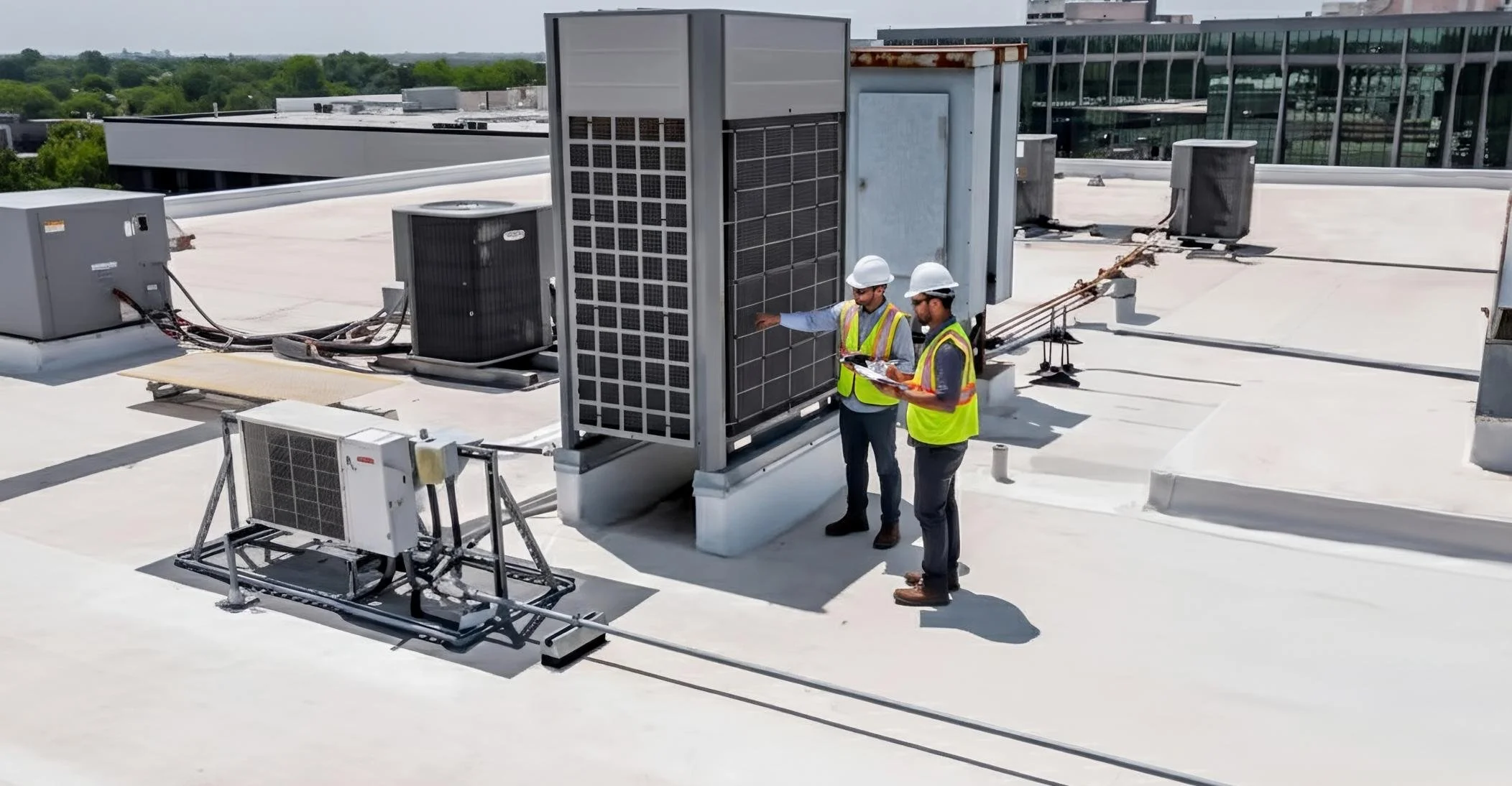
Mechanical rooms, attics, and exterior equipment may experience higher-than-normal temperatures that contribute to premature wear on valves, seals, and electronic devices. Regular inspections help identify heat-related issues before they become costly repairs.
Moisture and Corrosion
Rain, humidity, and coastal environments can all contribute to corrosion within fire sprinkler systems.
Corrosion may develop on sprinkler piping, fittings, valves, or other metal components. Left untreated, corrosion can weaken system integrity, cause leaks, and reduce overall reliability.
Routine inspections allow technicians to identify corrosion early and recommend corrective action before system performance is affected.
Freezing Temperatures Matter Too
While freezing temperatures are less common in Southern California, buildings located in higher elevations or colder climates may still be at risk.
Water-filled sprinkler piping exposed to freezing conditions can crack or burst if not properly protected. Dry pipe systems, insulation, and freeze protection measures help reduce this risk in vulnerable locations.
Wind and Storm Damage
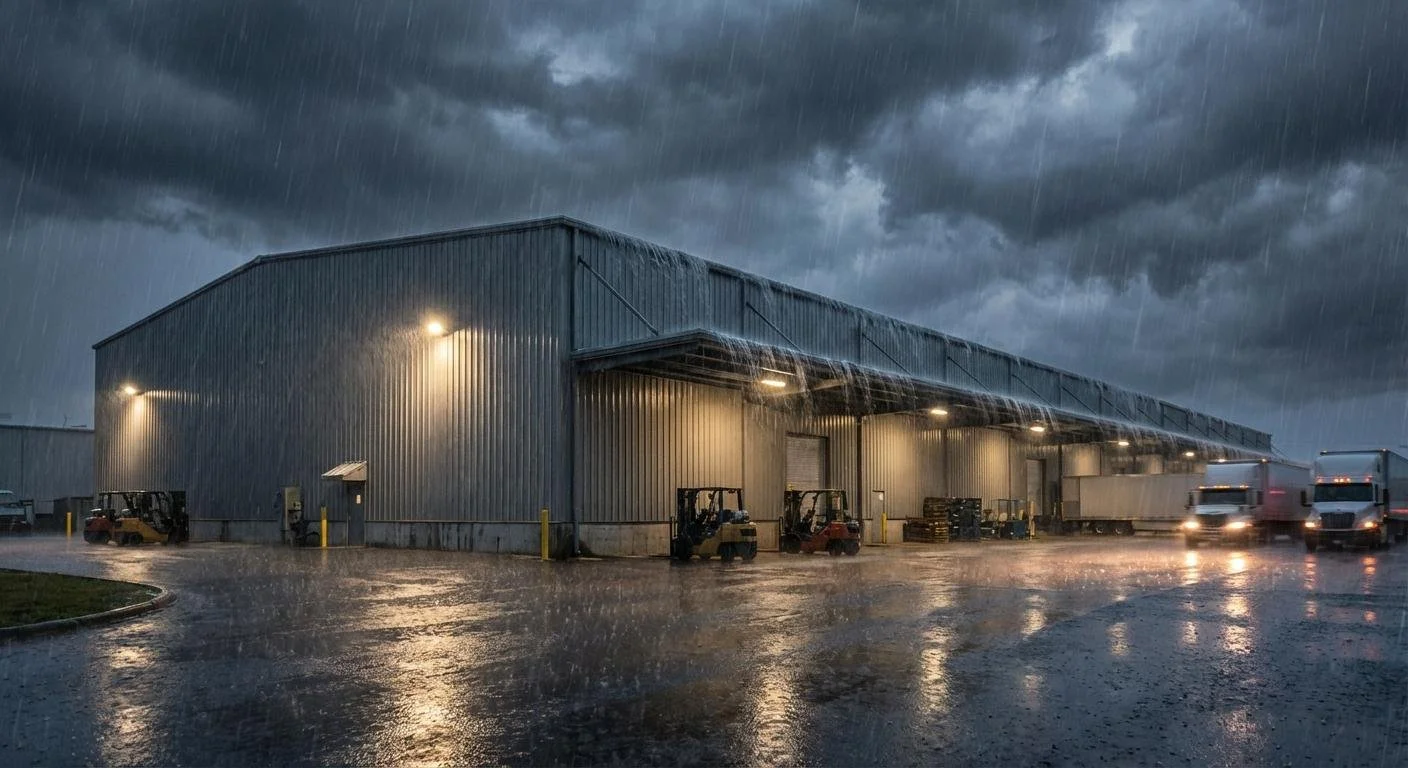
Strong winds and storms can damage exterior fire protection equipment, impact alarm devices, or introduce debris that interferes with system components.
After severe weather events, it's a good idea to inspect your property for visible damage and ensure all life safety systems remain operational.
Seasonal Maintenance Makes a Difference
Just as HVAC systems require seasonal maintenance, fire protection systems also benefit from routine inspections throughout the year.
Regular maintenance helps identify:
Corrosion
Leaks
Damaged sprinkler heads
Valve issues
Alarm communication problems
Weather-related deterioration
Addressing these concerns early helps extend the life of your system and maintain compliance with applicable fire codes.
Protect Your Investment
Fire protection systems are designed to safeguard lives and property—but only when they're properly maintained.
By understanding how weather affects your building's life safety systems and scheduling routine inspections, property owners can reduce unexpected repairs, improve reliability, and ensure their systems are ready to perform when they're needed most.
At Delta Fire Protection, we provide comprehensive inspection, testing, maintenance, repair, and installation services for commercial fire sprinkler systems throughout Southern California. Our experienced team helps building owners stay prepared through every season.