
Why Fire Protection Deficiencies Should Never Be Ignored
When a fire protection inspection identifies deficiencies, it can be tempting to postpone repairs until a later date. After all, if the building hasn't experienced a fire, the issue may not seem urgent.
Unfortunately, many fire protection deficiencies are hidden risks that can significantly impact system performance when an emergency occurs. What starts as a minor issue today can become a major liability tomorrow.
What Is a Fire Protection Deficiency?
A deficiency is any condition that prevents a fire protection system from operating as intended. During inspections, technicians commonly identify issues such as:
Damaged or corroded sprinkler heads
Closed or partially closed control valves
Leaking sprinkler piping
Missing or damaged fire extinguishers
Impaired fire alarm devices
Obstructed sprinkler coverage
Deficient inspection, testing, or maintenance records
While some deficiencies may seem minor, each one can reduce the effectiveness of your life safety systems.
The Risks of Delaying Repairs
Increased Property Damage
Fire protection systems are designed to control fires in their earliest stages. When components are impaired, a fire can spread more rapidly before suppression systems activate.
The result can be significantly greater property damage, longer business interruptions, and higher recovery costs.
Failed Fire Marshal Inspections
Many deficiencies are discovered during routine inspections required by fire codes and NFPA standards. Unresolved issues can lead to failed inspections, corrective notices, fines, or additional follow-up inspections. Regular inspection and maintenance programs help properties remain compliant with applicable fire code requirements.
Insurance Concerns
Insurance providers expect fire protection systems to be properly maintained. In some cases, unresolved deficiencies can complicate claims or increase insurance costs.
Maintaining documented inspection and repair records demonstrates a commitment to protecting both people and property.
Increased Safety Risks
Most importantly, deficiencies can put occupants at risk.
Fire sprinkler systems, fire alarms, extinguishers, and suppression systems work together to provide early warning and fire control. If one component fails, overall system performance may be compromised during a critical event.
Common Deficiencies We Find
At Delta Fire Protection, some of the most common deficiencies discovered during inspections include:
Painted sprinkler heads
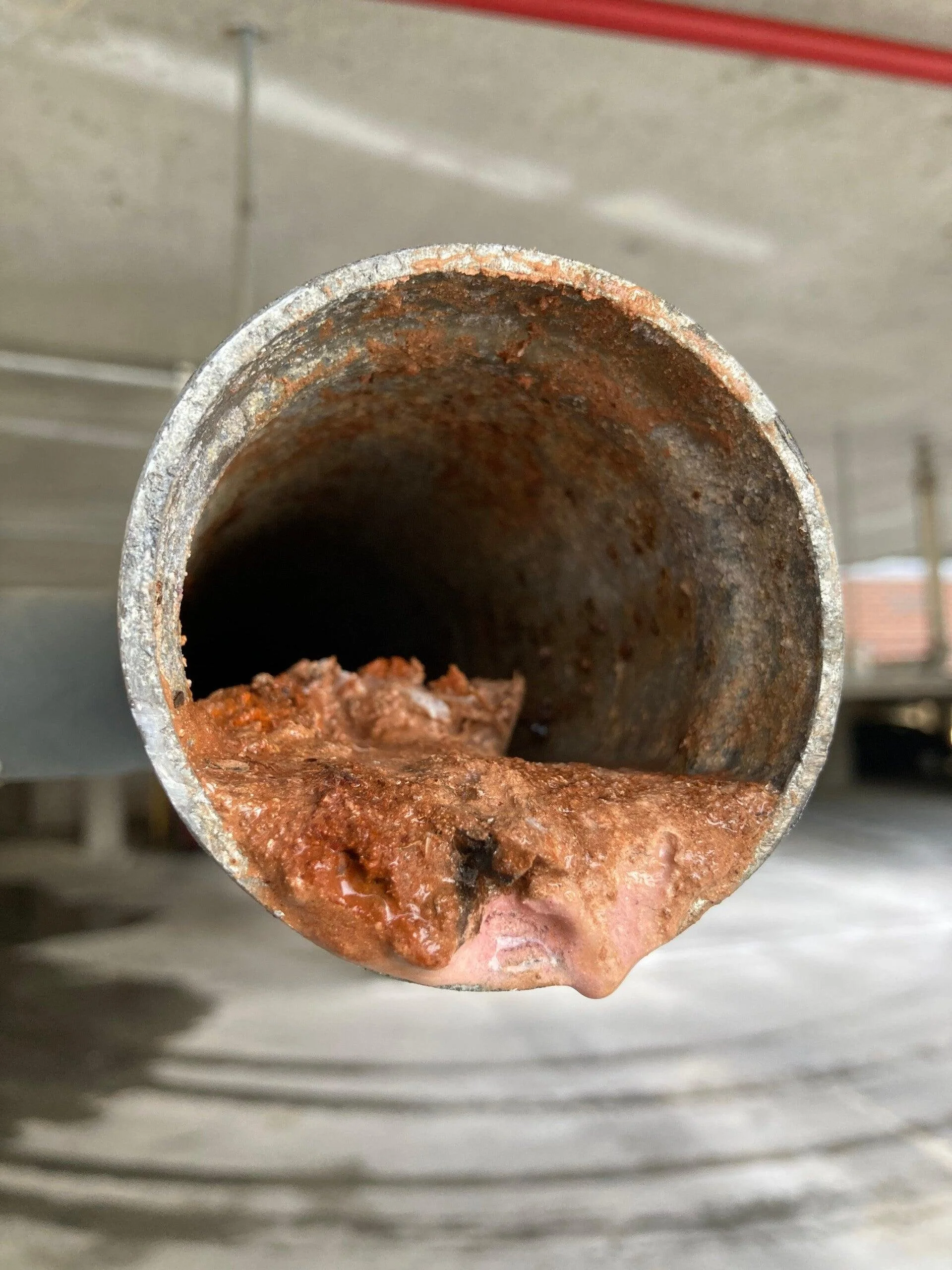
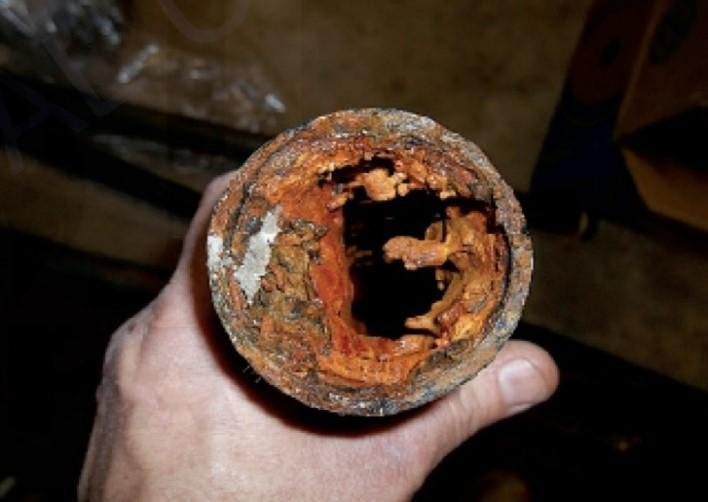
Corroded piping and fittings
Blocked sprinkler discharge patterns
Low-pressure or damaged fire extinguishers
Faulty alarm notification devices
Missing signage or identification
Damaged sprinkler escutcheons
Improper storage too close to sprinkler heads
Many of these issues are inexpensive to correct when identified early but become much more costly if ignored.
The Value of Proactive Maintenance
The best way to avoid major repairs and compliance issues is through routine inspection, testing, and maintenance.
Proactive maintenance helps:
Identify problems before they become failures
Reduce emergency repair costs
Improve system reliability
Maintain code compliance
Protect building occupants
Extend the lifespan of fire protection equipment
A scheduled maintenance program allows building owners and property managers to budget for repairs rather than face unexpected emergencies.
Final Thoughts
Fire protection deficiencies are more than items on an inspection report—they are potential points of failure that could impact lives, property, and business operations.
Addressing deficiencies promptly helps ensure your systems perform when they're needed most while keeping your property compliant and protected year-round.
If your recent inspection identified deficiencies or your property is due for service, Delta Fire Protection can help evaluate, repair, and maintain your fire protection systems so you can operate with confidence.