
We've all done it.
A small issue pops up. It's not causing any immediate problems. It gets added to the ever-growing list of things to handle "next month."
When it comes to fire protection systems, however, "next month" can sometimes turn into a much bigger problem—and a much bigger bill.
Whether you manage apartments, commercial buildings, warehouses, or office spaces, putting off repairs can have consequences that go far beyond the original deficiency.
Let's take a look at why.
It Usually Starts With Something Small
Most fire protection problems don't begin as emergencies.
They start with things like:
A corroded sprinkler head
A damaged alarm device
A leaking valve
A missing inspection tag
A supervisory trouble signal
A sprinkler head blocked by new shelving or storage
Individually, these may seem minor.
But fire protection systems are designed to work together. When one component isn't functioning properly, it can affect the reliability of the entire system.
Think of it Like Your Car
If your check engine light comes on, you could ignore it.
Maybe nothing happens today.
Maybe nothing happens next week.
But eventually, that small issue has a way of becoming a much more expensive repair.
Fire protection systems work the same way.
The "Small Repair" That Turns Into a Big Invoice
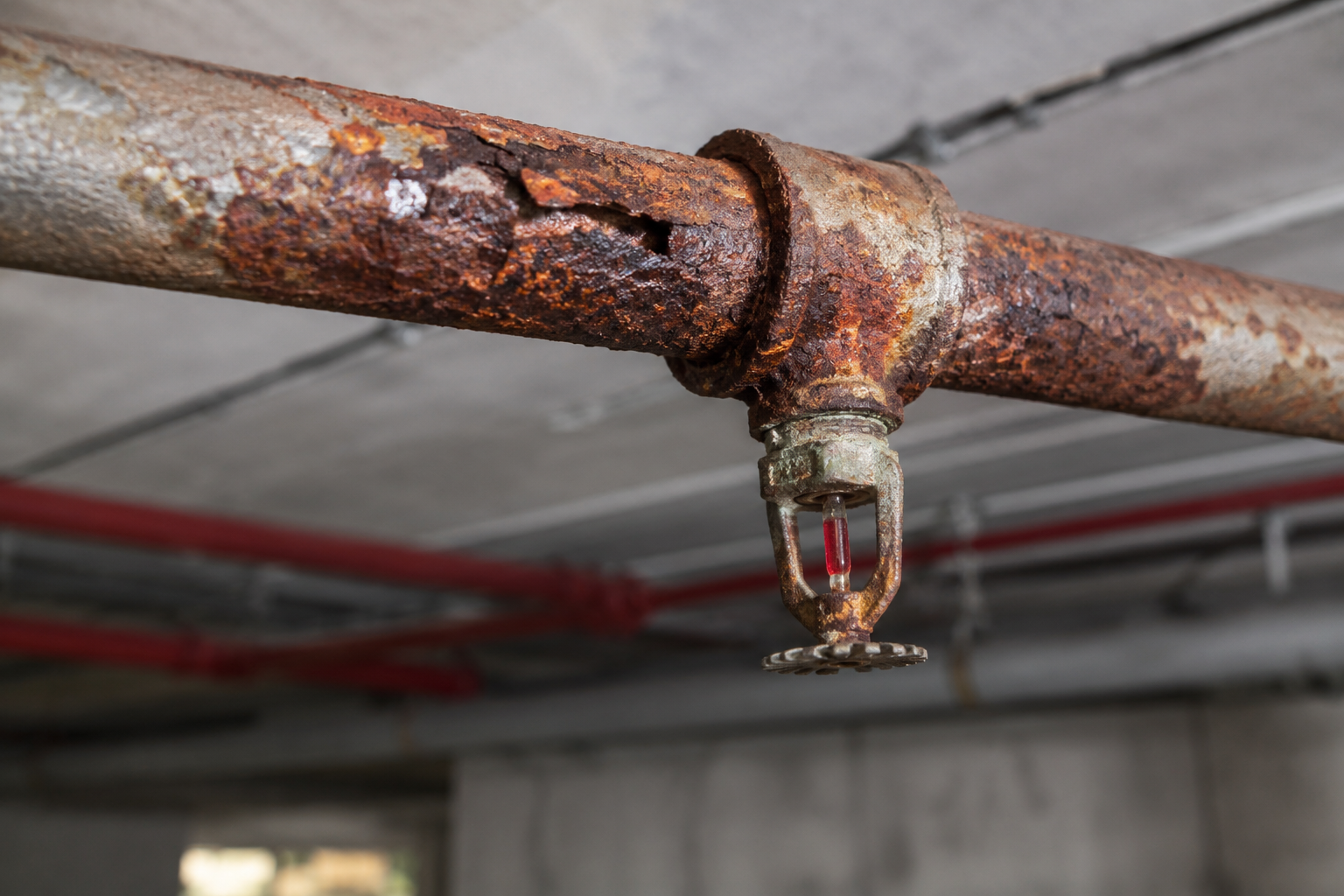
One of the most common reasons repair costs increase is simply time.
A small leak can lead to:
Pipe corrosion
Water damage
Damaged ceilings
Mold concerns
Additional system failures
What might have been a quick service call can eventually require:
✅ Additional labor
✅ More replacement parts
✅ Emergency service rates
✅ Tenant disruption
✅ System shutdowns
The longer a deficiency remains unresolved, the more opportunities it has to create other problems.
Failed Inspections Are Never Convenient
Nobody likes surprise expenses. Nobody likes surprise inspections even less.
When deficiencies are left unresolved, they often resurface during:
Annual inspections
Fire marshal visits
Insurance audits
Property sales
Tenant improvement projects
Occupancy reviews
The result?
Failed inspections
Correction notices
Follow-up visits
Additional administrative costs
And sometimes a lot of stress trying to get everything resolved on a deadline.
Insurance Companies Notice More Than You Think
Many property owners assume insurance only matters after a fire.
In reality, insurance carriers pay close attention to system maintenance and inspection records.
When repairs are completed promptly, you create documentation showing that the property is being maintained responsibly.
That documentation can become extremely valuable if questions ever arise following an incident.
The Biggest Cost Isn't Financial
Let's be honest.
Repair invoices aren't anyone's favorite thing to receive.
But the biggest reason to address deficiencies isn't compliance, inspections, or insurance.
It's people.
Fire protection systems exist to:
Protect occupants
Slow fire spread
Provide time for evacuation
Reduce property damage
Support first responders
The challenge is that emergencies don't wait for maintenance schedules.
A component that seems insignificant today may become critical during the exact moment it's needed.
That's why every sprinkler head, valve, alarm device, and control panel matters.
Lower Long-Term Costs
Fewer Compliance Issues
Better System Reliability
Less Stress
The Bottom Line
Putting off fire protection repairs may feel like a money-saving decision in the short term.
In reality, delays often lead to:
Higher repair costs
Additional property damage
Failed inspections
Insurance concerns
Increased safety risks
When deficiencies are identified, the best approach is usually the simplest one:
Address them early.
Your budget, your building, and the people who occupy it will all benefit.