
How Fire Sprinkler Systems Actually Work (And Why They’re So Effective)
Most people don’t think much about fire sprinkler systems—until they see one activated in a movie or walk through a building and notice the sprinkler heads above them. And thanks to Hollywood, there’s still a common belief that if one sprinkler goes off, every sprinkler in the building suddenly starts spraying water.
In reality, fire sprinkler systems are far more intelligent—and far more effective—than most people realize.
Fire Sprinklers Are Designed to React Fast
The main goal of a fire sprinkler system is simple: control a fire before it has a chance to spread. What makes sprinkler systems so effective is their speed. Fires can double in size in a matter of minutes, and by the time smoke fills a room, temperatures can already be dangerously high. Fire sprinklers are designed to respond early—often before the fire department even arrives. That early response is what saves lives, reduces damage, and prevents small fires from becoming major disasters.
A lot of people assume smoke activates sprinkler systems. It doesn’t. Each sprinkler head is individually activated by heat. Inside the sprinkler head is a small glass bulb or metal component designed to break once the surrounding temperature reaches a certain point—usually around 155 degrees Fahrenheit. Once that happens, water is released directly over the fire.
The important thing to understand is that only the sprinkler closest to the heat activates. In most fires, one or two sprinkler heads are enough to control the situation.
Why Sprinklers Work So Well
Fire sprinkler systems are effective because they attack the fire at its earliest stage. Instead of waiting for firefighters to arrive, the system begins controlling heat and flames almost immediately. That helps:
Slow the spread of fire
Reduce smoke damage
Lower repair costs
Give occupants more time to escape safely
In many cases, sprinkler systems can fully contain a fire before it spreads beyond the room where it started.
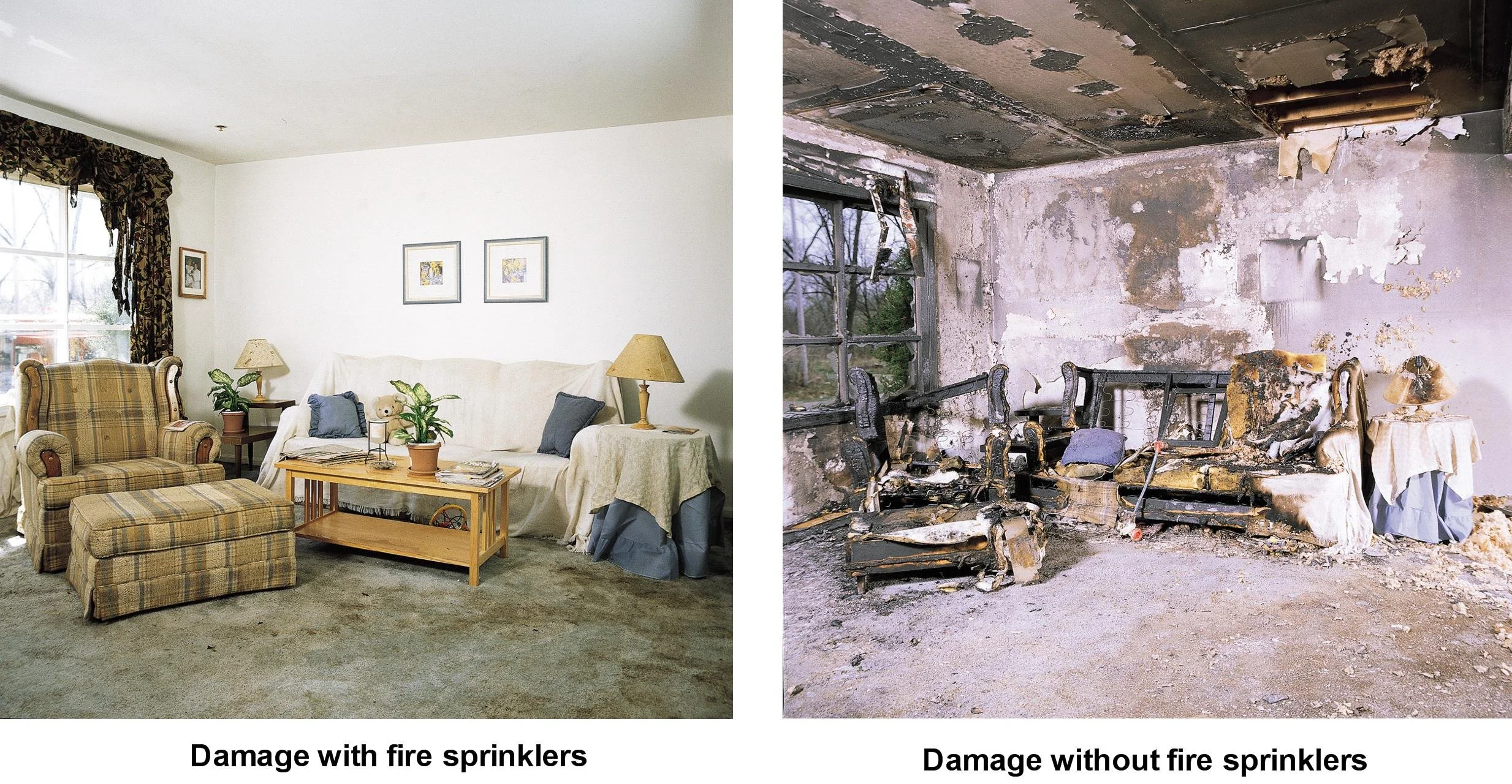
The Truth About Water Damage
One reason some people hesitate about sprinkler systems is the fear of water damage. But the reality is that sprinkler systems typically cause far less damage than an uncontrolled fire—or even the fire hoses used to fight one later.
Since only the sprinkler nearest the fire activates, the water discharge stays localized. Compare that to a fire that spreads through multiple rooms or an entire structure, and the difference becomes pretty clear.
The Bottom Line
Fire sprinkler systems aren’t complicated because they’re flashy—they’re carefully designed because they save lives.
Understanding how they actually work helps remove a lot of the myths surrounding them. In reality, they’re fast, targeted, reliable, and incredibly effective at stopping fires before they become catastrophic.
And in fire protection, those first few moments make all the difference.