
If you’ve ever looked up at a ceiling and spotted a sprinkler head, you probably didn’t think twice about what kind of system was behind it. But not all fire sprinkler systems are the same—and choosing the right one makes a big difference in how well a building is protected.
Two of the most common types are wet pipe systems and dry pipe systems. They both serve the same purpose, but they’re built for very different environments.
Wet Pipe Systems: Simple and Reliable
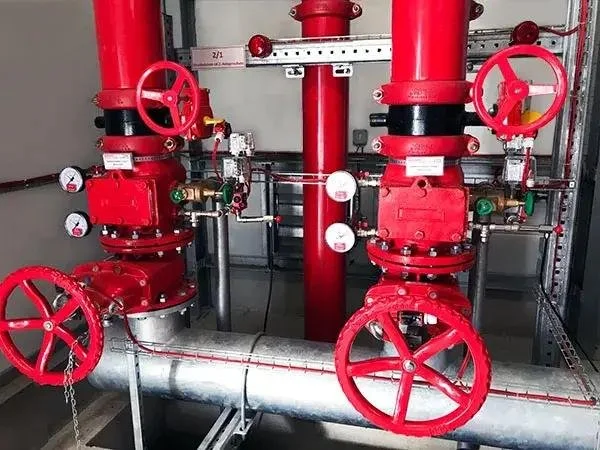
Wet pipe systems are the most common type you’ll find, especially in heated buildings like offices, apartments, and schools.
In a wet system, the pipes are always filled with water. When a sprinkler head activates due to heat, water is released immediately onto the fire.
That simplicity is what makes wet systems so reliable. There are fewer moving parts, less maintenance, and a faster response time when every second counts.
Where they work best:
Heated indoor spaces
Offices and commercial buildings
Residential properties
Dry Pipe Systems: Built for Cold Conditions
Dry pipe systems are designed for spaces where freezing is a concern—like parking garages, warehouses, or unheated buildings.
Instead of water, these pipes are filled with pressurized air or nitrogen. When a sprinkler head opens, the air is released first, allowing water to then flow into the pipes and out to the fire.
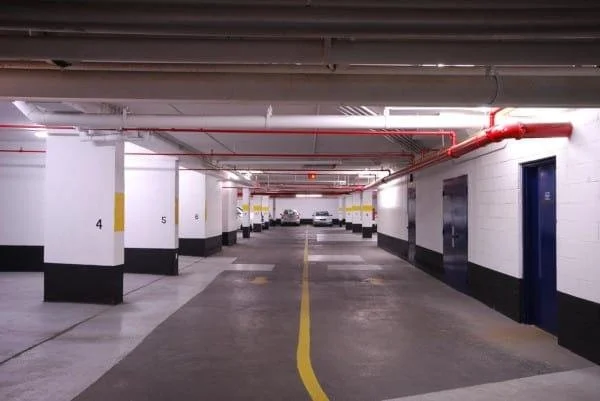
That extra step means a slight delay compared to wet systems, but it prevents pipes from freezing and bursting in cold environments.
Where they work best:
Unheated buildings
Parking structures
Exterior or exposed areas
Why Choosing the Right System Matters
It’s not just about preference—it’s about performance. Installing the wrong type of system can lead to serious issues, from frozen pipes to delayed fire response.
That’s why system selection is based on building conditions, usage, and local fire codes. A properly designed system takes all of that into account to ensure reliable protection year-round.
It’s Not One-Size-Fits-All
In many buildings, you’ll actually find a combination of system types. For example, a heated office area might use a wet system, while an attached parking garage uses a dry system.
The goal is always the same: make sure every part of the property is protected in the most effective way possible.
The Bottom Line
Fire sprinkler systems aren’t just about having protection—they’re about having the right protection. Understanding the difference between wet and dry systems is a big part of that.
Whether you’re building new, upgrading, or just trying to better understand your system, it pays to work with professionals who know how to match the right solution to the space.