
Fire Protection in the Movies: What Hollywood Gets Wrong
We love a good action movie—but when it comes to fire protection, Hollywood has taken a few creative liberties.
One sprinkler activates and suddenly every sprinkler in the building starts pouring water. Someone holds a lighter under a sprinkler head and instantly floods an entire hotel. A fire extinguisher somehow becomes the solution to every fire imaginable.
Entertaining? Absolutely.
Accurate? Not exactly.
Let's separate a little Hollywood fiction from real-world fire protection.
Myth #1: One Sprinkler Goes Off, They ALL Go Off
We've all seen the scene.
A character activates one sprinkler head and suddenly water starts pouring from every sprinkler in the building.
Fortunately for building owners, that's generally not how automatic fire sprinkler systems work.
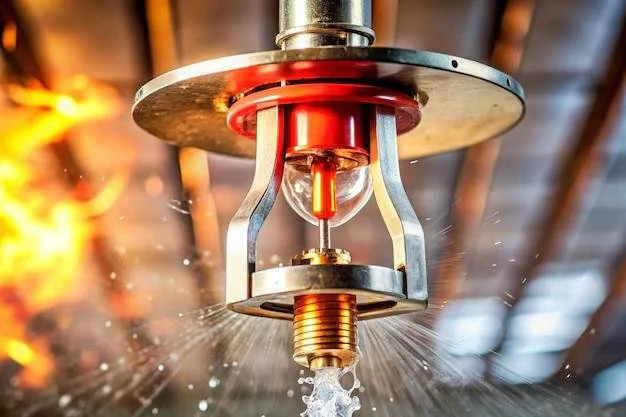
Most sprinkler heads operate independently. When enough heat reaches an individual sprinkler, that sprinkler activates. Other sprinklers remain closed unless they're also exposed to sufficient heat.
That means a small fire doesn't automatically result in every sprinkler in the building discharging water.
Hollywood Drama Rating: 10/10
Fire Protection Accuracy: 2/10
Myth #2: Smoke Activates Fire Sprinklers
Another common misconception is that smoke causes sprinklers to activate.
Automatic fire sprinklers are generally heat activated, not smoke activated.
Inside or around the sprinkler is a heat-sensitive element designed to operate when temperatures reach a specific threshold.
Smoke detection is typically handled by separate fire alarm and detection equipment.
So burning your toast might set off a smoke detector—but it shouldn't cause the sprinkler above your head to suddenly start spraying water.
Myth #3: Pulling the Fire Alarm Activates the Sprinklers
Pulling a manual fire alarm station initiates the building's fire alarm system, but it doesn't typically cause automatic sprinkler heads throughout the building to discharge.
Fire alarms and fire sprinklers serve different purposes.
The alarm system helps alert building occupants and initiate the appropriate emergency response.
The sprinkler system is designed to control or suppress a developing fire.
They often work together as part of a building's overall life safety strategy, but one doesn't simply switch the other on.
Myth #4: Fire Sprinklers Cause More Damage Than the Fire
This is one of the most persistent fire sprinkler myths.
People sometimes worry that installing sprinklers means a small fire will result in an entire building being flooded.
Because sprinklers generally activate individually in response to heat, water can be concentrated in the area where it's actually needed.
A rapidly growing, uncontrolled fire—and the firefighting efforts required to control it—can result in significantly more damage than early sprinkler activation.
The goal is simple: control the fire before it becomes a much bigger problem.
Myth #5: Any Fire Extinguisher Works on Any Fire
Movie characters tend to grab the nearest extinguisher and start spraying.
Real life is a little more complicated.
Fire extinguishers are classified for different types of fires. The appropriate extinguisher depends on the materials or equipment involved.
Using the wrong type of extinguisher may be ineffective and, depending on the situation, could create additional hazards.
That's why proper extinguisher selection, placement, inspection, and employee training matter.
Myth #6: If the System Looks Fine, It's Fine
This one isn't limited to Hollywood.
Fire protection systems spend most of their lives quietly waiting in the background, which makes it easy to assume everything is working properly.
But leaks, corrosion, damaged components, closed valves, alarm trouble conditions, obstructions, and other deficiencies aren't always obvious.
That's why routine inspection, testing, and maintenance are so important.
You don't want the first real test of your fire protection system to be an actual fire.
What Hollywood DOES Get Right
There's one thing the movies definitely understand:
Every second matters during a fire.
That's exactly why properly designed and maintained fire protection systems are so important.
Fire sprinklers, alarms, detection systems, extinguishers, and other life safety equipment all play a role in protecting occupants and property when an emergency occurs.
The explosions and dramatic sprinkler scenes might make better television—but in the real world, reliable fire protection is much less dramatic.
And that's exactly how we like it.
Leave the Special Effects to Hollywood
Your fire protection systems shouldn't come with surprises.
At Delta Fire Protection, we provide fire protection design, installation, inspections, testing, maintenance, and repairs for commercial and industrial properties throughout Greater Los Angeles.
Whether you're dealing with an existing system, planning a new project, or simply want to make sure your building is properly protected, our experienced team is ready to help.
Because when it comes to fire protection, we'd rather see the drama stay on the screen.