
A fire sprinkler system is one of the most important safety features in a commercial building. However, even properly installed systems can develop problems over time that affect their performance and reliability.
For commercial property owners, facility managers, and building operators throughout Los Angeles and Southern California, understanding fire sprinkler deficiencies is essential to maintaining a safe building and addressing fire code compliance concerns.
At Delta Fire Protection & Equipment, we understand the importance of keeping fire protection systems properly maintained and ready to operate when needed.
What Is a Fire Sprinkler System Deficiency?
A fire sprinkler deficiency is a condition that may negatively affect the performance of a sprinkler system but does not necessarily mean the entire system is out of service.
Under NFPA 25, deficiencies are generally classified as critical or noncritical. More serious conditions that prevent a system or part of a system from performing its intended function may be classified as impairments.
Understanding these distinctions helps building owners prioritize repairs and respond appropriately to inspection findings.
7 Common Fire Sprinkler Deficiencies in Commercial Buildings
1. Corroded or Damaged Sprinkler Heads
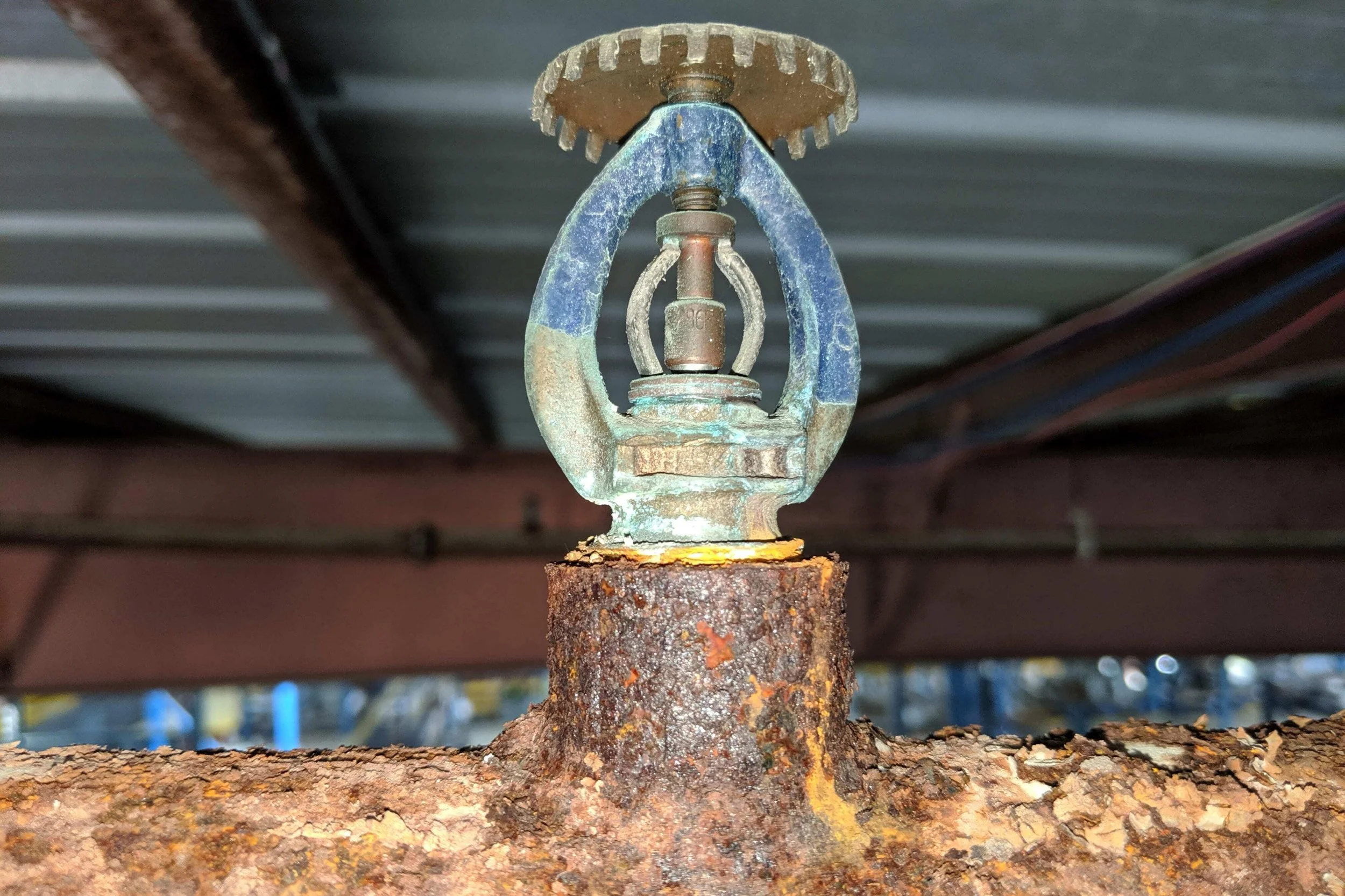
Sprinkler heads can deteriorate due to moisture, environmental conditions, accidental damage, or exposure to corrosive substances.
Corrosion and physical damage may interfere with proper sprinkler operation. Sprinklers showing conditions that affect their performance should be evaluated and replaced when required.
2. Painted or Obstructed Sprinkler Heads
Painting sprinkler heads or allowing materials to obstruct them can compromise their ability to respond to a fire.
Common problems include:
Sprinkler heads covered with paint
Storage materials blocking sprinkler discharge
Decorative fixtures interfering with sprinkler coverage
Dust or debris accumulating on sprinkler components
Commercial property owners should ensure that sprinkler heads remain unobstructed and are not altered during building renovations.
3. Leaking Sprinkler Pipes and Fittings
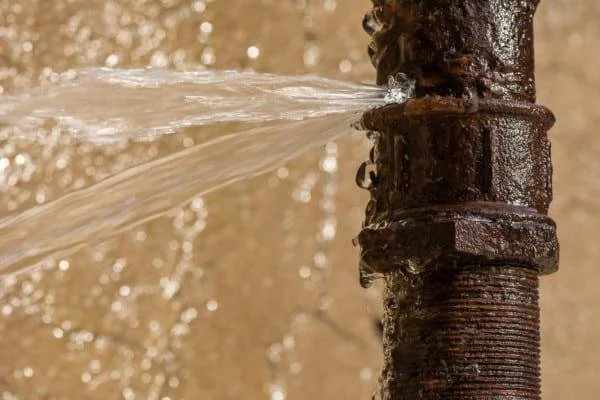
Leaks in sprinkler piping can result from corrosion, damaged fittings, mechanical stress, or aging components.
Even small leaks deserve attention because they can lead to water damage, pressure problems, and additional system deterioration.
4. Closed or Improperly Positioned Control Valves
Control valves regulate the water supply to fire sprinkler systems.
A valve that is unexpectedly closed may prevent water from reaching the sprinklers during a fire. Depending on the system configuration, this condition may constitute a serious impairment requiring immediate action.
5. Malfunctioning Waterflow or Supervisory Devices
Waterflow switches and supervisory devices help monitor sprinkler system conditions and communicate important signals.
If these components malfunction, building personnel or monitoring systems may not receive the expected notification when water flows or a valve changes position.
6. Inadequate Water Pressure or Flow
Fire sprinkler systems depend on an adequate water supply to perform as designed.
Changes in water pressure, partially closed valves, obstructions, or other supply problems may affect system performance.
Professional testing can help identify conditions requiring further investigation or corrective action.
7. Missing Inspection and Maintenance Documentation
Maintaining accurate records is an important part of managing a commercial fire protection system.
Missing documentation may make it difficult to demonstrate that required inspections, testing, and maintenance have been completed.
Building owners should maintain organized records of inspections, identified deficiencies, repairs, and applicable testing.
What Happens When a Fire Sprinkler Deficiency Is Found?
When an inspection identifies a problem, the appropriate response depends on the severity of the condition and its potential effect on fire protection.
Some deficiencies can be addressed through scheduled corrective maintenance. Others require more urgent attention.
If a condition is classified as an impairment, the building owner or responsible party should follow applicable impairment procedures, which may include notifications, temporary protective measures, and coordination with the Authority Having Jurisdiction (AHJ).
The goal is to restore the system to proper operating condition as quickly and safely as possible.
California Fire Sprinkler Inspection and Maintenance Requirements
California commercial properties are subject to applicable fire protection regulations, including California Code of Regulations Title 19 and requirements related to NFPA 25.
Inspection, testing, and maintenance obligations depend on the system type, equipment, applicable regulations, and local fire authority requirements.
Building owners should work with appropriately qualified fire protection professionals to determine the necessary testing and maintenance schedule.
Routine maintenance helps identify potential problems before they develop into more serious system failures.
Why Preventive Maintenance Matters
Waiting until a sprinkler system fails an inspection or develops a major problem can create unnecessary complications for commercial property owners.
A proactive maintenance program can help:
Identify deteriorating components
Reduce the likelihood of unexpected system interruptions
Support fire code compliance
Improve maintenance planning
Protect building occupants and property
Maintain accurate service and inspection records
Preventive maintenance is particularly important for older commercial buildings, industrial facilities, warehouses, apartment communities, and properties undergoing renovations.
Fire Sprinkler Repair and Maintenance in Los Angeles
Commercial buildings throughout Los Angeles County rely on dependable fire protection systems to protect employees, tenants, visitors, and property.
From office buildings and retail centers to industrial facilities and multifamily developments, maintaining properly functioning fire sprinkler systems is a critical part of building operations.
Delta Fire Protection & Equipment serves commercial and industrial customers throughout the Greater Los Angeles area, providing fire protection solutions tailored to their facilities.
Whether your property requires routine sprinkler maintenance, system repairs, or assistance addressing inspection findings, working with an experienced fire protection contractor can help you determine the appropriate next steps.
Frequently Asked Questions
-
It depends on the condition, its severity, and the requirements of the local fire authority. Some deficiencies may be addressed through planned repairs, while serious impairments may require immediate protective measures.
-
Inspection and testing frequencies vary by component and system type. NFPA 25 and applicable California requirements establish different intervals for specific inspection and testing activities.
-
The building owner or designated responsible party generally has responsibility for ensuring that required fire protection maintenance and corrective actions are completed. Applicable licensing requirements govern who may perform the work.
-
Damaged sprinkler heads generally require replacement rather than field repair. A qualified fire protection professional can evaluate the condition and determine the appropriate corrective action.
Schedule Fire Sprinkler Service with Delta Fire Protection & Equipment
If your commercial property has identified fire sprinkler deficiencies, damaged components, or outstanding maintenance concerns, addressing these issues promptly can help maintain a dependable fire protection system.
Delta Fire Protection & Equipment provides fire protection services for commercial and industrial properties throughout Los Angeles and surrounding Southern California communities.
Contact Delta Fire Protection & Equipment today to discuss your building's fire sprinkler inspection, maintenance, or repair needs.